

TOP 10 Immunity Boosting Foods for Kids! (Pediatric Dietitian's Guide)
As a family and pediatric dietitian, one of the most common questions I get from parents is "What are the best immunity booster foods for kids?" It's no surprise that parents want to do everything they can to keep their little ones healthy, especially during cold and flu season.
The good news is that supporting your child's immune system doesn't require expensive supplements or complicated meal plans. With the right foods and lifestyle habits, you can help your child's body naturally fight off illness and stay strong year-round. Let's get started!
What is the Immune System?
Think of your child's immune system as their body's personal defense team. It's a complex network of cells, tissues, and organs that work together to protect against harmful invaders like bacteria, virus particles, and other pathogens. When working properly, the immune system recognizes these threats and responds by producing antibodies and activating special cells to fight them off.
For children, building a strong immune system is still a work in progress. Every time your child encounters a new germ, their immune system creates a memory of it, building stronger defenses for the future. This is why exposure to everyday germs is actually important for immune system development.
The immune system has two main parts: innate immunity (the general defenses we're born with) and adaptive immunity (the specific defenses that develop over time). Both need proper nutrition to function at their best, which is where food comes in as one of the best ways to support immune system health.
What Can Increase Your Childs' Risk of Getting Sick?
It’s normal for kids to catch colds. In fact, young children get lots of colds, some as many as 8 to 10 each year before they turn 2 years old. That can feel like a lot (because it is!), but it’s often part of typical immune development.
That said, several factors can increase the likelihood that your child gets sick more often or takes longer to recover:
Poor sleep habits
The immune system does some of its most important work when you're sleeping. During deep sleep, the body produces cytokines (proteins that help fight infection and inflammation).
Sleep is critical for immune function, and kids who consistently don't get enough hours of sleep have fewer of these protective proteins, making them more vulnerable to getting sick and taking longer to recover.
Nutrient deficiencies
When your child's diet lacks key vitamins and minerals, their immune system simply can't function optimally. Deficiencies in vitamins A, C, D, zinc, and protein are particularly problematic for immune health and can increase the risk of infections.
High added sugar intake
High blood sugar adds stress to your body and makes nearly every system work harder, including the white blood cells of your immune system. Excessive sugar consumption can trigger inflammation, a protective immune response that, when chronic, actually makes it harder to fight off infections. When your child's immune system is working overtime dealing with inflammation from high sugar intake, it has less energy to protect against viruses and bacteria. While occasional treats are fine, a diet consistently high in added sugars can keep the immune system from working at full capacity.
Chronic stress (yes, even in kids!)
Children experience stress too, from school pressures, family changes, overscheduled activities, etc. Chronic stress triggers the release of cortisol, which can suppress immune function over time. Learning to manage stress is just as important for kids as it is for adults, and helping your child develop healthy coping mechanisms supports both their mental and physical health.
Frequent exposure to germs
While some germ exposure is good for immune development, excessive exposure (like in daycare settings or when family members are sick) can overwhelm a developing immune system. This doesn't mean you should keep your child in a bubble, but it does mean practicing good hygiene and keeping sick kids home when appropriate.

Important Nutrients for the Immune System
Now let's talk about the nutritional building blocks your child's immune system needs to thrive. These vitamins and nutrients work together like a team, each playing a specific role in keeping your child healthy and helping to boost their immune system naturally.
Vitamin A (Beta Carotene)
Vitamin A is important for maintaining the integrity of your child's skin and the mucous membranes in their respiratory and digestive tracts, essentially the first line of defense against invading pathogens. It also helps regulate immune responses and supports the production and function of white blood cells. Beta carotene, found in orange and yellow vegetables, converts to vitamin A in the body and provides antioxidant benefits too.
Vitamin C
This powerhouse vitamin supports various cellular functions of both the innate and adaptive immune systems. Vitamin C helps stimulate the production of white blood cells and acts as an antioxidant, protecting cells from damage. While vitamin C can't prevent colds entirely (despite the popular myth), adequate levels of vitamin C may help reduce the duration and severity of symptoms and support immune function during illness.
Vitamin D
Often called the "sunshine vitamin," vitamin D plays a critical role in immune function and helps strengthen the immune system. It helps activate T cells, which are essential for fighting off infections. Since vitamin D is harder to get from food alone, especially in winter months, this is one nutrient where supplementation often makes sense.
Zinc
Zinc is essential for the development and function of immune cells. Even mild zinc deficiency can impair immune function and increase susceptibility to infections. Zinc also has antioxidant properties and helps maintain the integrity of the skin and mucous membranes, which act as barriers to infection.
Probiotics
The gut houses about 70% of the immune system, making gut health crucial for overall health and immunity. Probiotics are "good" bacteria that support immune function and a healthy gut microbiome. Look for yogurt and other fermented foods with "live and active cultures" on the label.
Protein
Protein provides the amino acids needed to build and repair body tissues, including immune cells and antibodies. Without adequate protein, the body can't produce enough of these critical immune components.
10 Foods That Boost the Immune System Naturally
Now for what you've been waiting for, the actual foods that can help boost your child's immune system! These aren't exotic "superfoods" or expensive supplements. They're real, accessible foods you can find at any grocery store, packed with vitamins and minerals that help keep your immune system strong.
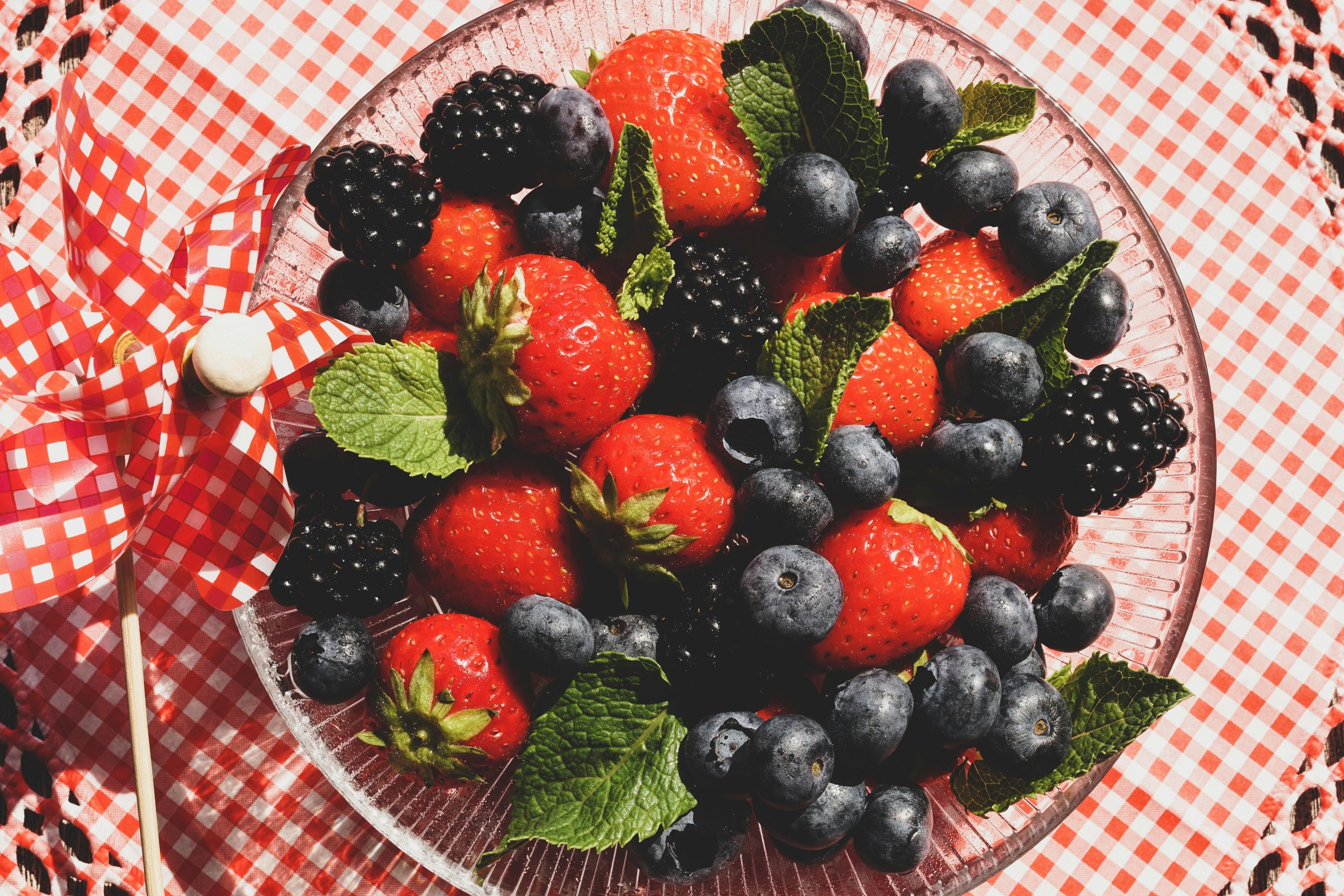
Berries (antioxidants)
Strawberries, blueberries, raspberries, and blackberries are packed with antioxidants that help protect immune cells, particularly vitamin C and flavonoids. These compounds help protect immune cells from damage and support their function.
How to serve: Add to oatmeal, blend into smoothies, add to yogurt, freeze for a cool snack, or simply serve fresh as a side with meals.
Citrus fruits (vitamin C)
Orange, grapefruit, clementines, and lemon are vitamin C superstars. Citrus fruits are essential for immune health because vitamin C helps support the production and function of white blood cells, which are key to fighting infections.
How to serve: Serve clementines for an easy snack, add orange slices to lunch boxes, squeeze fresh lemon into water for a vitamin C boost, or make a simple fruit salad combining different citrus varieties.
Yogurt (probiotics, protein)
Yogurt with live and active cultures provides beneficial probiotics that support gut health and, by extension, support immune function throughout the body. It's also a great source of protein and other nutrients like calcium and vitamin D (if fortified). Choose plain yogurt when possible and add your own fruit to control sugar content (this gives you the immune-boosting properties without excess added sugars).
How to serve: Top with berries, blend into smoothies, use as a dip for fruit, or freeze into yogurt pops.
Eggs (vitamin D, protein)
Eggs are one of the few natural food sources of vitamin D, and they're loaded with high-quality protein. The yolk contains most of the immune-supporting nutrients, including vitamin D, zinc, and selenium.
How to serve: Scrambled, hard-boiled, made into egg muffins or an egg salad.
Sweet potatoes (vitamin A)
Sweet potatoes are rich in beta carotene, which the body converts to vitamin A, essential for immune system health. Just one medium sweet potato provides more than 100% of a child's daily vitamin A needs.
How to serve: Baked as fries, mashed, roasted with a little cinnamon, added to soups, or even blended into mac and cheese.
Salmon (omega-3s, vitamin D, protein)
Fatty fish like salmon provides omega-3 fatty acids (healthy fats), which have anti-inflammatory properties that help reduce inflammation and support immune function. Salmon is also one of the best sources of vitamin D and high-quality protein. If your child isn't a fan of salmon, try other fatty fish like mackerel or sardines.
How to serve: Baked with a honey glaze, made into salmon cakes or patties, flaked into pasta, or served alongside favorite dipping sauces.
Beans/lentils (zinc, protein)
Beans and legumes provide plant-based protein, zinc, iron, and fiber. They support immune function while also promoting gut health. Black beans, chickpeas, kidney beans, and lentils are all excellent choices.
How to serve: In soups, mashed into bean dip or hummus, added to tacos, mixed into pasta sauce, or roasted as a crunchy snack.
Broccoli (vitamin C)
Broccoli is loaded with antioxidants and vitamin C, fiber, and various other beneficial compounds. One cup of cooked broccoli provides more than 100% of a child's daily vitamin C needs, helping to boost your child's ability to fight off illness. While it's not every kid's favorite, there are creative ways to incorporate it into your child's diet.
How to serve: Steamed with cheese sauce, roasted until crispy, blended into soup, hidden in pasta dishes, or served with ranch dressing for dipping.
Nuts and seeds
Almonds, walnuts, sunflower seeds, and other nuts and seeds provide vitamin E, zinc, and healthy fats that support immune function. They're also good sources of protein and fiber. Just be mindful of allergies and choking hazards for younger children.
How to serve: As nut butter on toast or fruit, sprinkled on yogurt, blended into smoothies, or offered as a trail mix with dried fruit.
Leafy greens (like spinach and kale)
Dark leafy greens like spinach, kale, and collard greens are packed with vitamins A, C, and E, along with various antioxidants and fiber. These vegetables are rich in vitamins that support immune function and provide numerous other health benefits. Yes, certain foods like these can be tough to get kids to eat, but don't give up!
How to serve: Blended into smoothies, mixed into scrambled eggs, baked into muffins, added to pasta sauce, or made into chips.

Non-Food Ways to Boost the Immune System
Nutrition is crucial, but it's just one piece of the immunity puzzle! These healthy lifestyle habits work alongside nutritious eating to keep your child's immune system strong and help your child maintain overall health.
Eat a balanced diet
A balanced diet is one of the most powerful tools you have, and when it's filled with whole foods (fruits and vegetables, whole grains, lean proteins, and healthy fats) it provides the full spectrum of nutrients the immune system needs.
Practice good hygiene and hand-washing
Teach your children to wash their hands properly (for at least 20 seconds with soap and water) before eating, after using the bathroom, and after playing outside or with shared toys.
Consistent physical activity
Regular physical activity promotes good circulation, which allows immune cells and white blood cells to move through the body more effectively, helping the body fight infections. It also helps reduce stress and promotes better sleep, both of which support immunity. Encourage your child to get at least 60 minutes of active play daily.
Reduce stress
Help your child manage stress through calming activities like reading, creative play, time in nature, or simple breathing exercises. Maintain predictable routines when possible, and create a calm home environment. Don't overschedule your children, downtime is important for both mental health and immune function.
Get enough sleep
Sleep is non-negotiable for immune health. Different ages need different amounts:
Toddlers need 11-14 hours
Preschoolers need 10-13 hours
School-age kids need 9-11 hours
Teens need 8-10 hours
Establish consistent bedtime routines and prioritize sleep as much as nutrition.
Frequently Asked Questions
What are superfoods?
"Superfood" is a marketing term, not a scientific one. While foods like blueberry, kale, and salmon are incredibly nutritious and can help your child's immune system, there's no single food that will magically boost immunity. The best approach is eating a variety of whole, nutrient-dense foods rather than relying on any one "super" ingredient.
What vitamins do you recommend?
For most children eating a reasonably varied diet, a daily multivitamin can serve as nutritional insurance, filling in any gaps. However, a multivitamin should complement, not replace, a healthy diet.
What should I feed my child when they're sick?
When your child is ill, focus on hydration first and foremost. Offer water, diluted juice, broth, or popsicles. For food, follow their appetite, it's okay if they eat less than usual. Good options include chicken soup (which has real immune-supporting properties!), yogurt,
What foods weaken the immune system in children?
While no food needs to be completely off-limits, consistently high intake of certain foods can interfere with immune function, reducing the risk of your child staying healthy. These include foods high in added sugars (candy, sugary drinks, many packaged snacks), heavily processed foods with few nutrients, and excessive amounts of unhealthy fats (like fried foods).
What if my child is a picky eater?
Picky eating is one of the most common reasons families work with me. The strategy is not “force more veggies.” Instead, we focus on:
Reducing pressure at meals
Creating predictable routines
Offering safe foods alongside learning foods
Having the parents be a good role model
Using realistic swaps (like smoothies, fortified foods, dips, or preferred textures)
With the right plan, even selective eaters can meet their needs.
Final Thoughts on Boosting Immunity
Supporting your child’s immune system isn’t about chasing perfection or finding one miracle food. It’s about building a steady foundation... nutrient-rich meals, enough protein, gut-friendly options like yogurt, and colorful produce like berries, citrus fruits, and leafy greens.
Combine that with sleep, movement, low-pressure routines, and good hygiene, and you’ve created a powerful, realistic formula for helping your child stay well, recover faster, and feel their best.
If you want support that’s tailored to your household, picky eater, schedule, and health concerns, I’d love to help!
Check out my Modern Haus memberships to find the level of support that fits your family!